
DIOGO STRAUSZ
A New Chapter
AN INTERVIEW WITH DIOGO STRAUSZ (FAVORITE recordINGs)
With Dance Para Se Salvar, Diogo Strausz delivers his most personal and expansive statement to date. Known for navigating effortlessly between DJ culture, live musicianship and studio production, the Brazilian artist has steadily built a singular voice within contemporary dance music — one that draws deeply from Brazil’s musical heritage while embracing a global, forward-looking sensibility. Over the years, his releases on respected international labels and his collaborations across scenes have positioned him as a bridge between Brazilian boogie, disco, MPB, and modern club aesthetics.
This new album marks a decisive step: a fully formed long-format work conceived as a coherent portrait rather than a collection of tracks. Across eight compositions, Strausz constructs a vibrant universe where rhythm, texture and imagery interact freely. The title itself — Dance Para Se Salvar, “to dance in order to save oneself” — encapsulates both a philosophy and a survival strategy, rooted in Brazilian culture yet universally resonant.
Shaped between Rio de Janeiro, São Paulo and Paris, the album reflects a dialogue between spontaneity and patience, absurdity and structure, analog warmth and contemporary production tools. It is an invitation to movement, reflection and collective hope — music designed for the dancefloor, but never reduced to function.
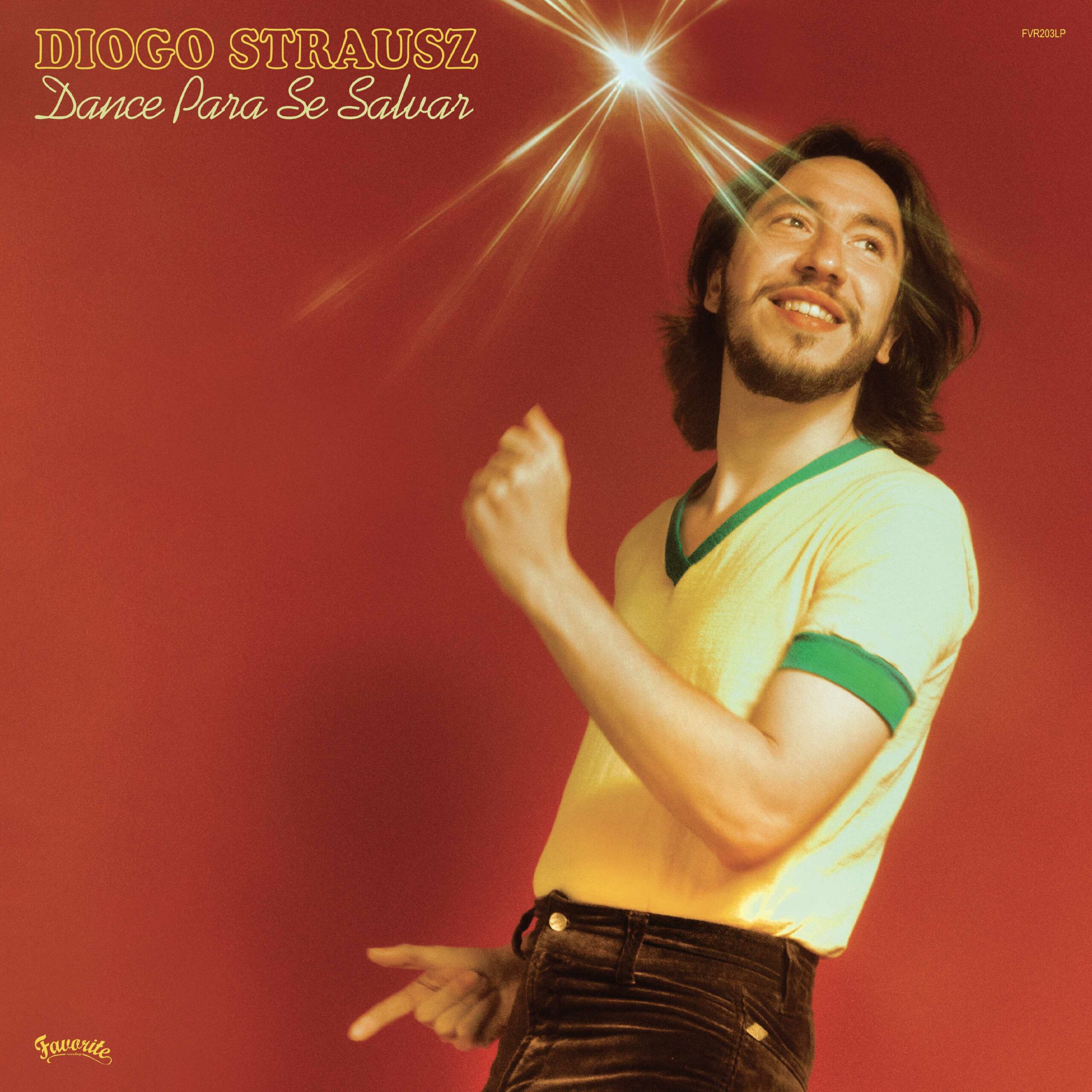
CAN YOU TELL US ABOUT THE GENESIS OF THIS ALBUM AND WHAT YOU WANTED IT TO REPRESENT ARTISTICALLY?
I wanted to make an album that felt like a well defined portrait, so I started to create many themes and basslines inside my head. Once I had lots of demos, I suddenly realized some of them together felt like they belonged to the same photo.
The album has the three: it’s a sonic exploration on my Brazilian boogie studies, a snapshot of me coming to good terms with myself and a musical manifesto to say that no matter how tough it is right now, we are all in this together.
“DANCE PARA SE SALVAR” IS A POWERFUL TITLE. WHERE DOES THIS IDEA COME FROM?
In Brasil, we often say one must have “jogo de cintura” (meaning flexibility) in order to survive. And to dance means to be at peace with your own shadows.
HOW WOULD YOU DESCRIBE THE SOUND WORLD OF THIS RECORD TO SOMEONE HEARING YOUR MUSIC FOR THE FIRST TIME?
It’s a sunny day at a big urban space with the beach right next to you. Where nature blends with the city’s chaos.
WHAT ROLE DOES BRAZIL PLAY IN SHAPING THE RHYTHMS, MOODS AND PHILOSOPHY OF THE ALBUM?
When you live here you learn there’s no such thing as surrealism.
What exists is magical realism. Where many situations feel as absurd as a Dali’s painting.
This relationship with the absurd shapes your musical possibilities. And absurd becomes a new feeling.
YOUR MUSIC OFTEN FEELS VERY “ALIVE”. HOW DO YOU CREATE AND PRESERVE THAT ENERGY?
I tweak it until it feels alive. In order to recreate this absurd energy in the sounds I’m shaping.
I love blending recorded material, other musicians perspectives but at the same time I have no problem shaping the sounds until it gives me the feeling I’m searching.
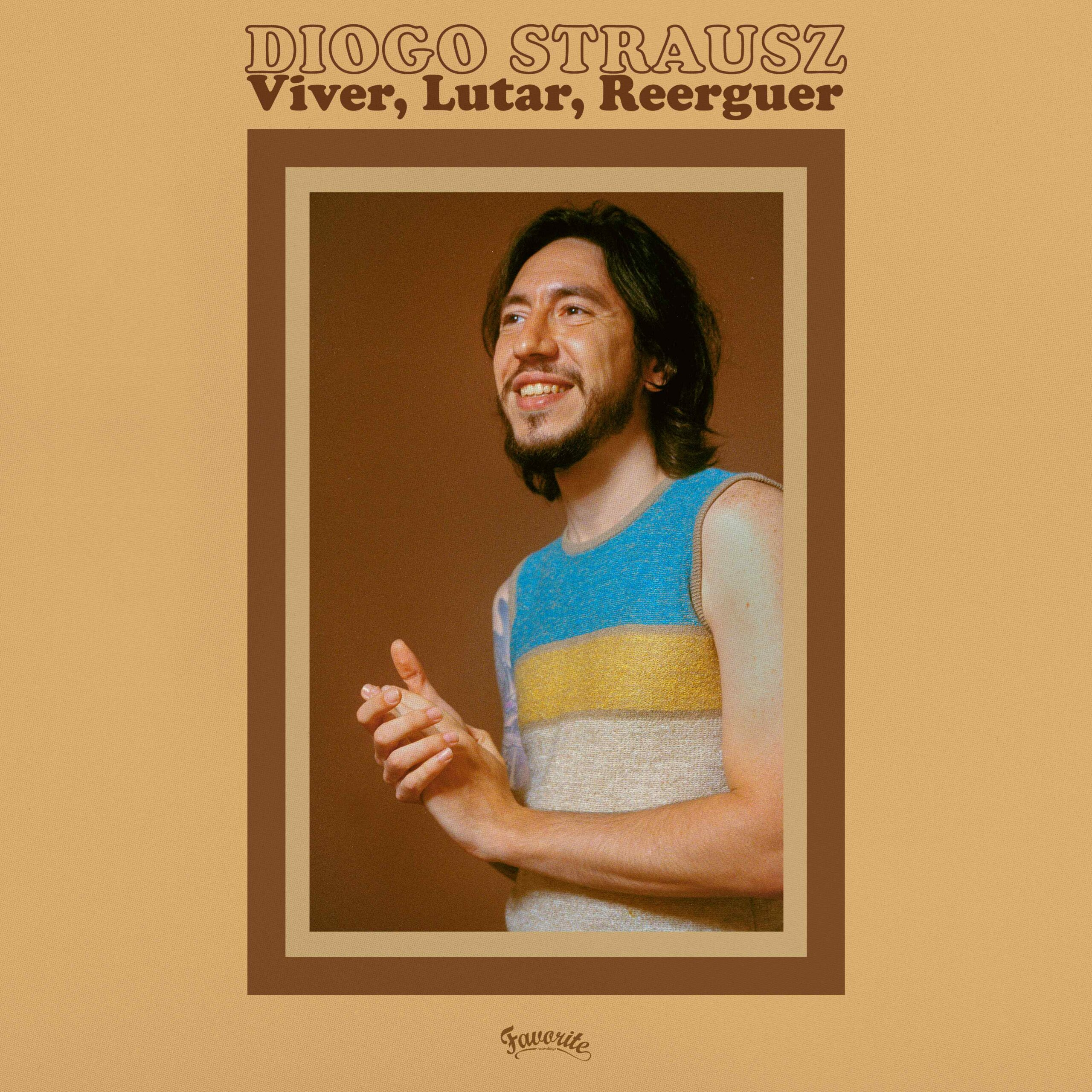
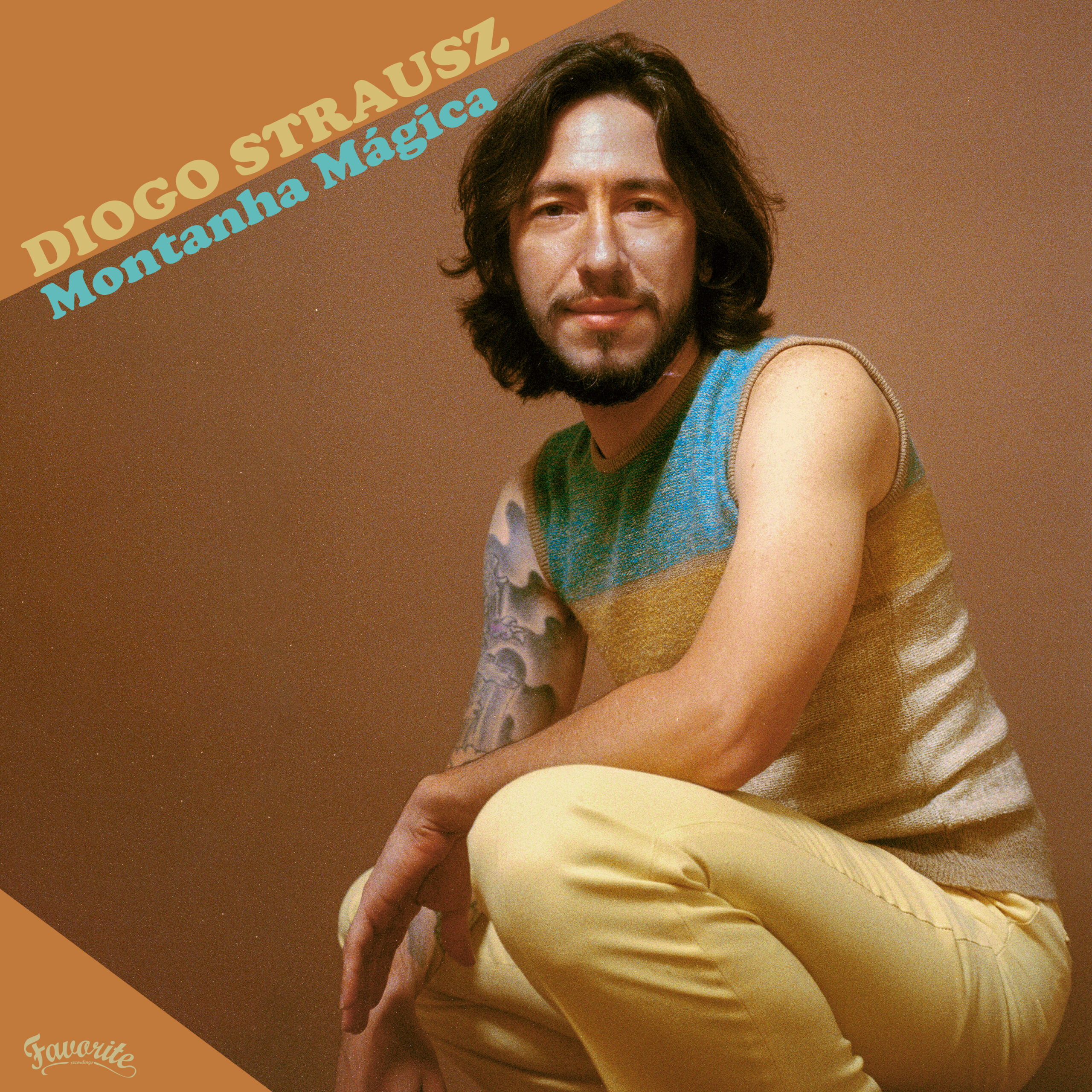
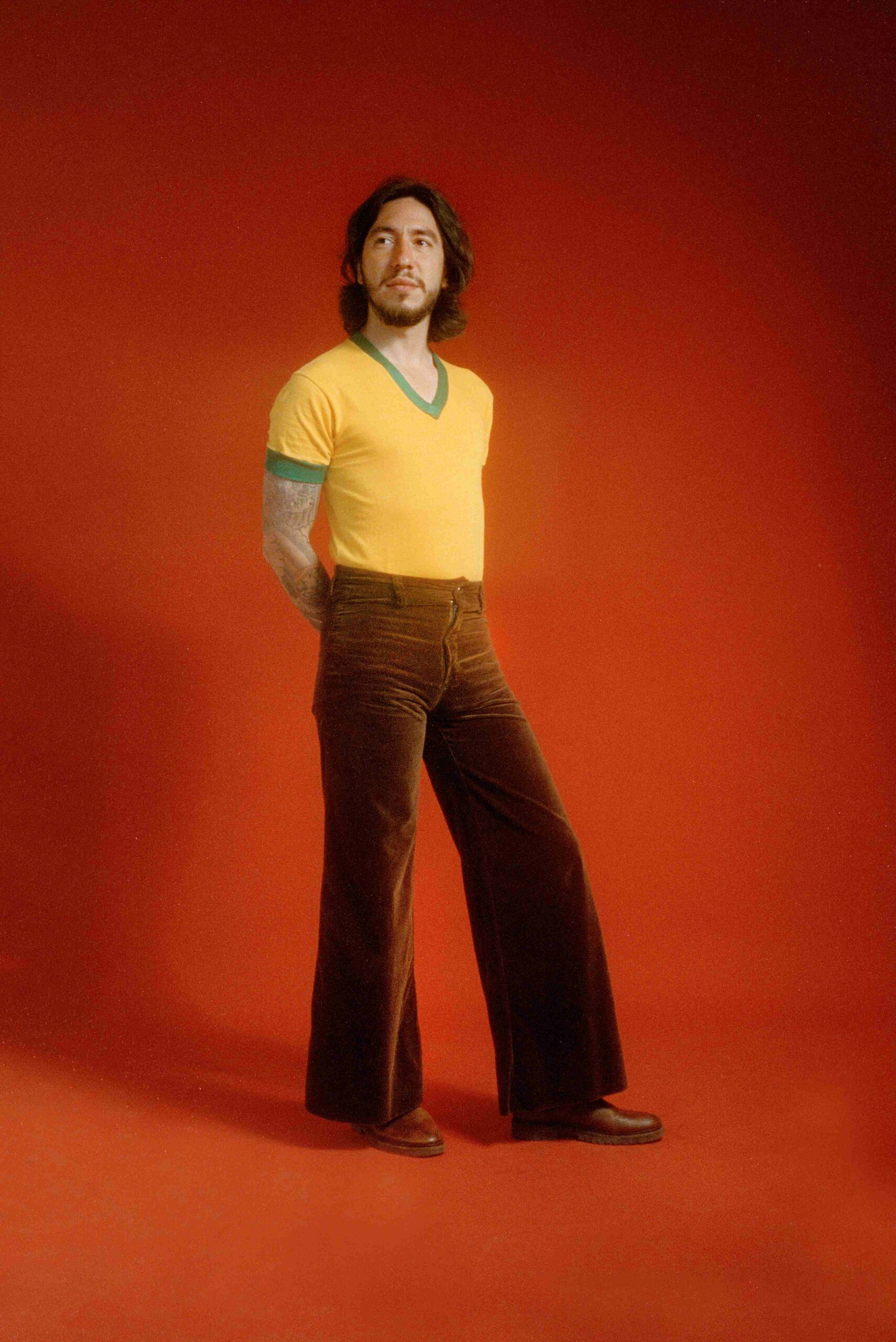
THE ALBUM UNFOLDS ACROSS EIGHT TRACKS AND VISUAL WORLDS. HOW DID YOU CONCEIVE THE RELATIONSHIP BETWEEN MUSIC, IMAGE AND IMAGINATION?
I try to make it not so much about myself but to expand the universe around the album, to give the audience other elements to play with their imagination. As a patchwork.
I want every time they interact with a visual element to put another piece of a bigger puzzle into their relationship with the music behind it. It doesn’t have to be directly linked to the music itself. Just to help create a little universe around the album.
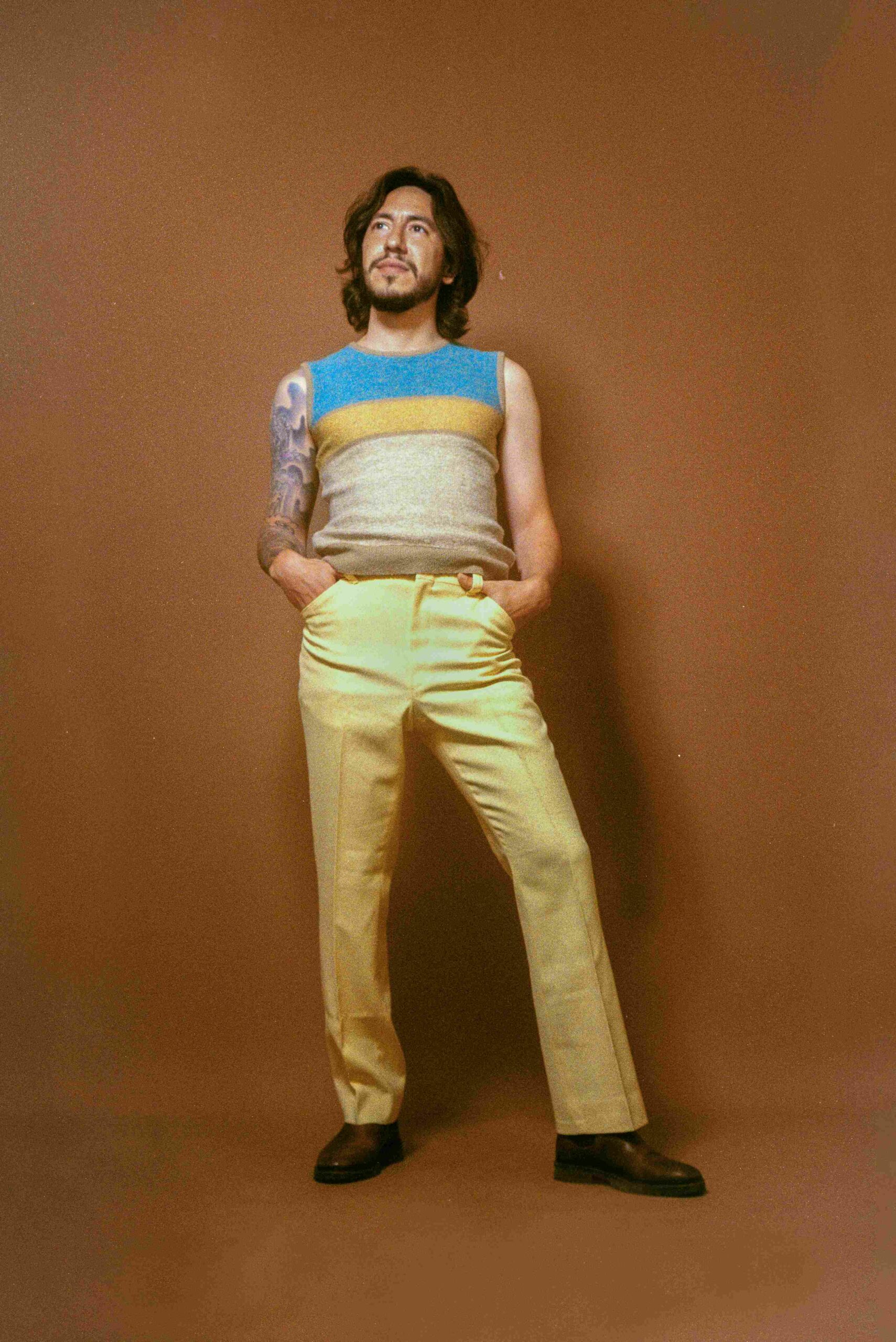
HAS YOUR EXPERIENCE AS A DJ INFLUENCED THE WAY THE ALBUM IS STRUCTURED AND PRODUCED?
Yes, I want the tracks to fit a dance situation, even though they are not DJ tools. While producing I’m always trying to think how they would feel on a bigger sound system, dancefloor etc…
YOU MOVE BETWEEN DJING, PRODUCING AND LEADING MUSICIANS. HOW DOES THAT SHAPE COLLABORATION ON THIS RECORD?
I always try to set boundaries in order to guarantee the music will fit DJs or anyone into grooving. But I would be silly not to let my collaborators put in their perspective and ideas on the table. I try to provide a clear structure and foundation to musicians and let them play around. At the end of the day I can always go back to it and tweak it my own way. But while we are together I try to make it about them.
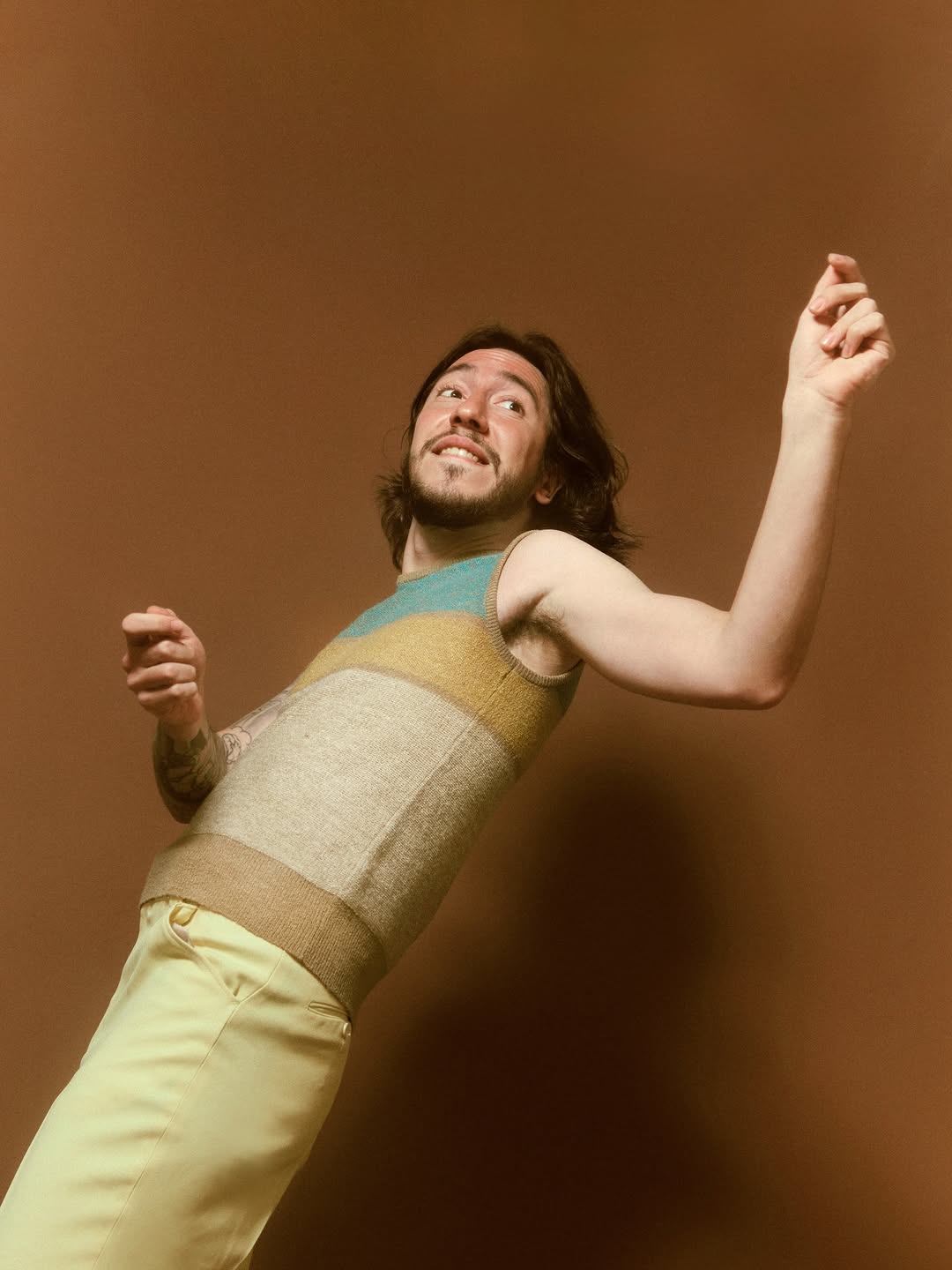
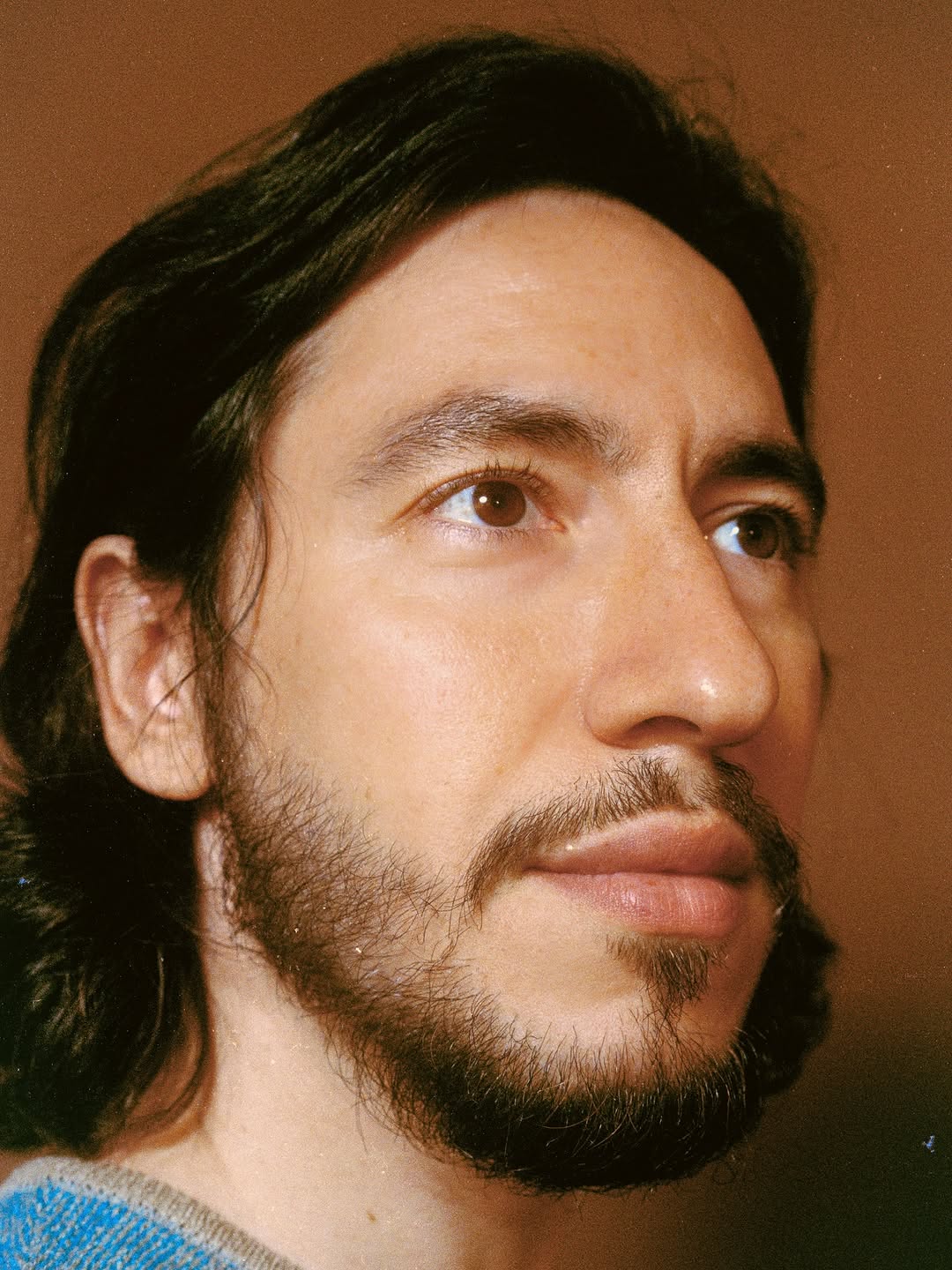
HOW DID THE MUSIC ITSELF COME INTO EXISTENCE — THROUGH JAMS, IMPROVISATION, OR COMPOSITION?
It was mainly born out of voice memos on my phone. From ideas I hear in my head all of the sudden while I’m distracted, thinking about anything else other than music.
IS THERE A SOUND OR TEXTURE THAT BEST CAPTURES THE ESSENCE OF DANCE PARA SE SALVAR?
The texture of vinyl samples mixed with live played instruments really gets me. When you can’t tell what is what anymore.
HOW DO YOU APPROACH THE BALANCE BETWEEN ANALOG TOOLS AND MODERN TECHNOLOGY?
I use whatever is within reach to reproduce the feeling I’m after. Of course, some tools make the job easier and more pleasant. But great music was already done with less and will keep being made forever, so it’s all about following our gut and experience.
THE ALBUM WAS SHAPED BETWEEN RIO, SÃO PAULO AND PARIS. HOW DID THESE PLACES INFLUENCE THE RECORD?
There’s something to be learned in every place and it’s quite magical. I think those experiences change who we are and that reflects on the now renovated person making new music.
Mainly in Rio but with many techniques I acquired after leaving to São Paulo and Paris.
Mainly Europe taught me to have more patience on the craft. It’s a much slower pace compared to South America. To test different possibilities and let the ideas sink for a bit before committing. And Brazil has spontaneity and absurd talent all over. A different kind of talent, driven by our ability to dream.
FINALLY, IF YOU HAD TO DEFINE THIS ALBUM WITH ONE GUIDING FEELING, WHAT WOULD IT BE?
Hope, always.